


The Sanriku Railway Rias Line traces nearly the entire length of Iwate Prefecture’s Sanriku coast, running 163 km north-south through one of Japan’s most rugged landscapes. Its jagged shoreline of steep cliffs and deeply carved inlets is a place of extraordinary beauty that attracts adventurous travelers and outdoor enthusiasts, but this land has also faced nature’s overwhelming power. On March 11, 2011 (3.11), it was severely impacted by the tsunami that followed the Great East Japan Earthquake, an event that profoundly altered both the landscape and the lives of its people.
Today, I’m aboard the Sanriku Railway to learn about its Shinsai Gakushu (Disaster Education) train, a program designed to recount what happened on 3.11 and ensure that lessons learned from the disaster are not forgotten. The train’s local guides explain the tsunami’s impact on the railway and its surroundings and share stories from their personal experience. The program also explains the long road to recovery, the decisions made in rebuilding, and the importance of disaster preparedness and risk reduction. It’s popular with school groups and tour groups. Riders are encouraged to think about what they would do in a similar situation and how communities can better prepare for the future, making it a moving classroom and space to reflect.
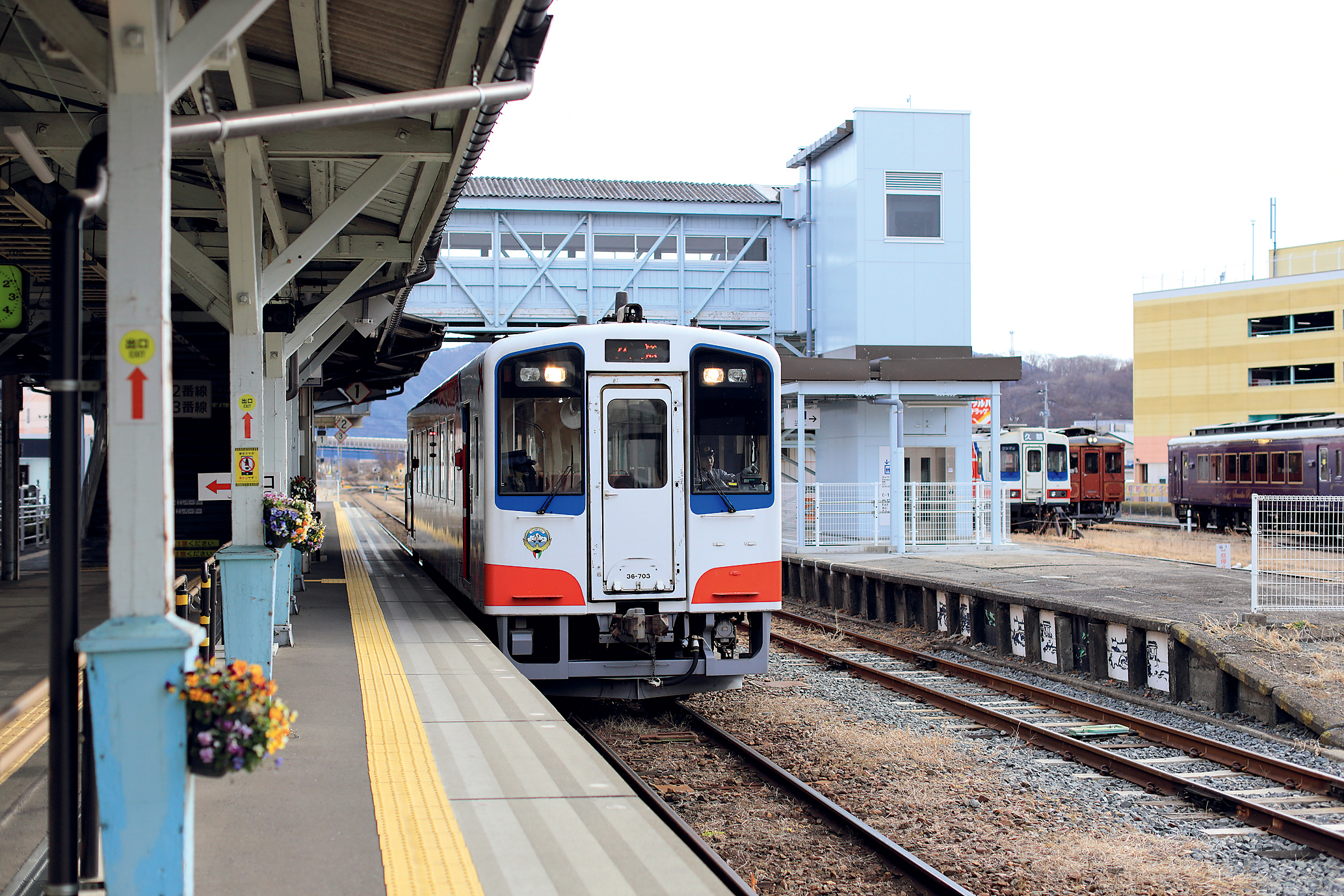
I meet my guide, Ran Chiyokawa of the Sanriku Railway Tourism Department, at Miyako Station. Chiyokawa wanted to work in a job where she would interact with people and was especially interested in the tourism industry. Her desire to contribute to the local community led her to apply to the Sanriku Railway in 2019, where she has been able to put her passion to good use. In addition to guiding tours, she responds to traveler inquiries, assists with advertising, and develops tours. She was an elementary student when the tsunami struck, and like her, all ten guides who lead the Shinsai Gakushu tour are locals whose experiences are connected to the landscape that passes by the train windows.
Founded in 1981, The Sanriku Railway, which began operating in 1984, offers essential transportation for local residents and serves a great number of tourists. It’s also known for its creative approach to tourism, operating everything from nostalgic Showa-era cars and cozy kotatsu trains, to party trains, sake tasting trains, hanami trains, and more.“The railway has an open mind when it comes to special event cars,” Chiyokawa tells me. “If it’s safe, we’re willing to try!”
She explains that before 3.11, the railway operated separate north and south lines along the coast, with the section between Kamaishi and Miyako run by Japan Rail (JR). The tsunami caused extensive damage to both systems, after which a decision was made that would reshape the transportation network. Instead of rebuilding the JR line, the Sanriku Railway would take it over, connecting north and south into one continuous line: the Rias Line.
Rias, a loanword from Spanish, refers to the deeply indented coastlines formed by submerged river valleys that are emblematic of Iwate’s coast and a key feature of the vast Sanriku Geopark. But this same geography also funnels tsunami waves, intensifying their power. In 2011, the wave recorded at over 8.5m at the shore grew even higher as it traveled inland, compounding the destruction.
Chiyokawa shares photos from the aftermath as we head north from Miyako Station: warped rails, collapsed platforms, debris piled where buildings once stood. Roads were left impassable, leaving survivors stranded even after successful evacuations. Some sections of the Sanriku Railway, however, escaped catastrophic damage. These were repaired as quickly as possible and used as free “Disaster Recovery Support Trains,” providing a vital lifeline for residents as seen in one photo of a train packed wall-to-wall with people.
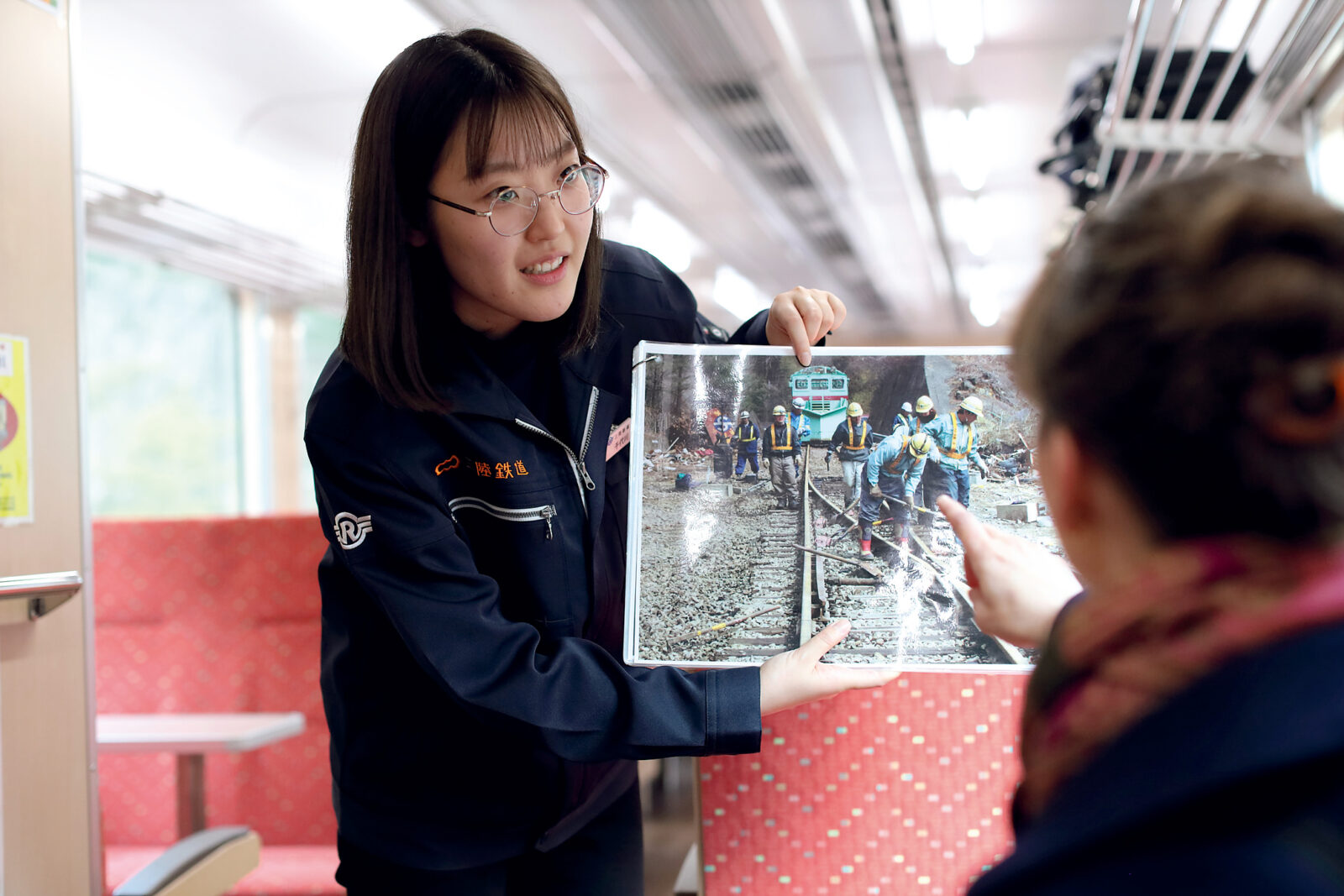
Recovery came in stages. Part of the North Line reopened in 2012, followed by a section of the South Line in 2013. By 2014, both were fully operational again, and in 2019, the middle section that had formerly been JR was completed, finally uniting the route from end to end. This monumental effort was made possible through widespread domestic and international support, including substantial aid from the Kuwaiti government. As each section reopened, the Shinsai Gakushu program evolved alongside it, documenting the changes and sharing lessons learned.
We step off the train briefly at Shimanokoshi Station near the northern end of the line. The original station here was completely flattened by the tsunami. With disaster risk reduction in mind, its replacement now sits on higher ground, though the ocean is still visible beyond a massive concrete seawall. Standing here, it’s impossible not to imagine the sheer force of the wave that once swept through this quiet place.
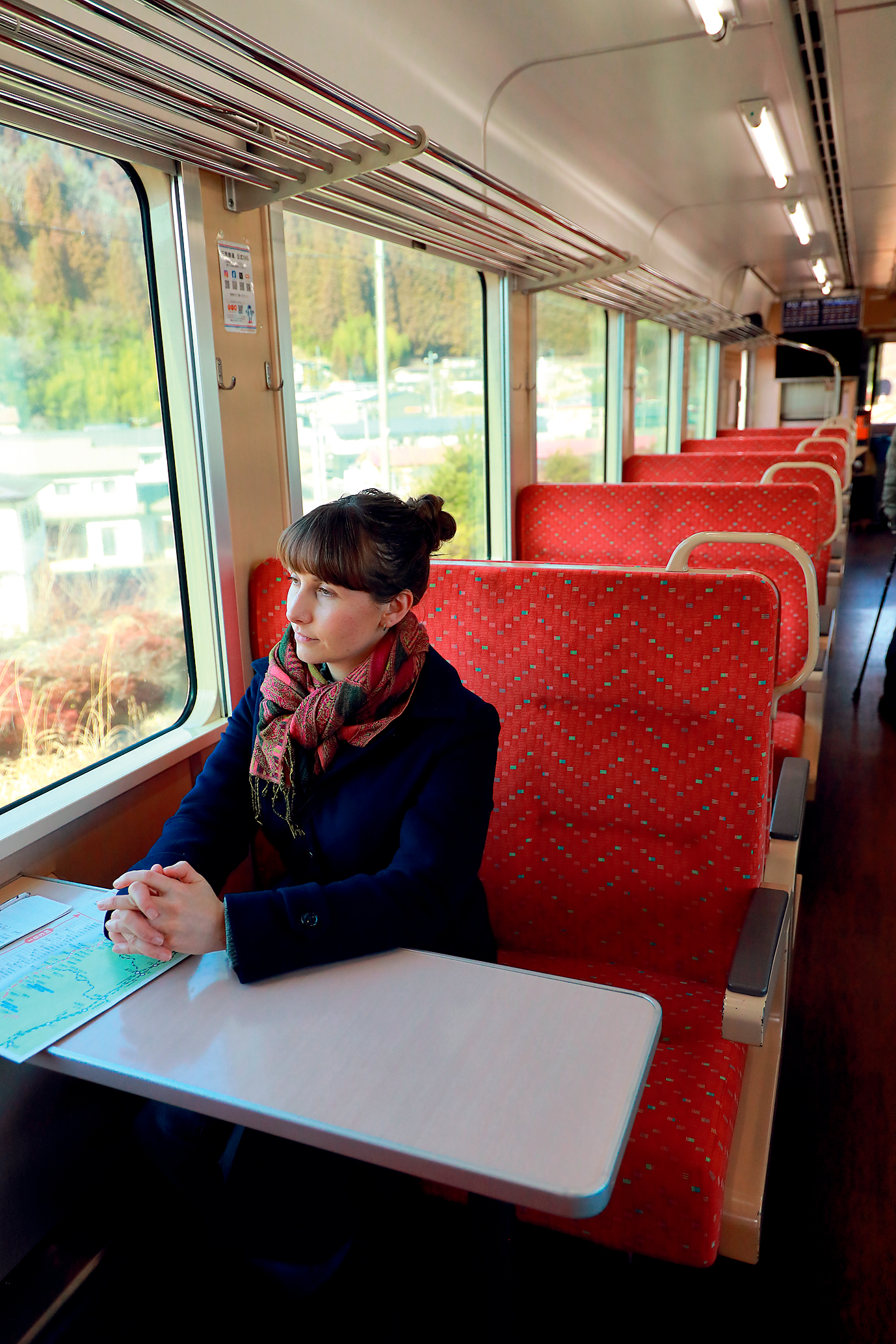
“It’s important not to let the memories of the disaster fade, and for those who didn’t experience it to learn from it,” says Chiyokawa. Along with culture and nature, this form of disaster education naturally fits into regional tourism. This coast is stunning and honors its past. Riding this train is a powerful way to understand that and to prepare for the possibility of natural disasters in the future.
1. A train arrives at Miyako Station. This railway, which is also a symbol of recovery, connects the area as well as travelers.
2. Ran Chiyokawa of the Sanriku Railway shares photos and firsthand memories of the disaster.
3. Reflecting quietly as the Sanriku landscape passes by.
6. A seawall and the ocean beyond. The view from Shimanokoshi Station reflects everyday life as well as memories of the tsunami.
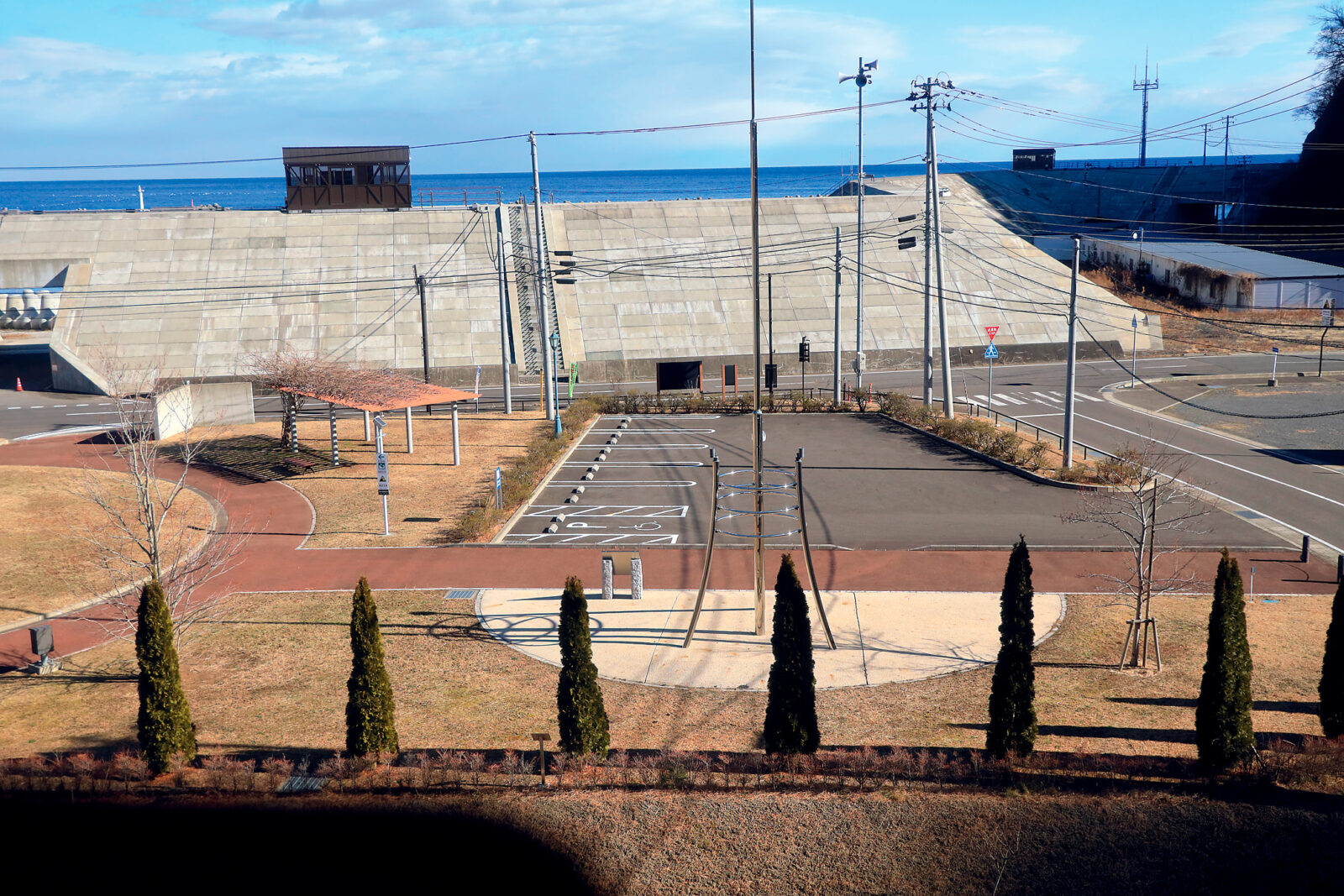
The view from Shimanokoshi Station reflects everyday life as well as memories of the tsunami.
